The Green Transition Reality Check: Where Climate Policy Stands in 2024
The 2030 Countdown: Science Meets Political Reality
The Intergovernmental Panel on Climate Change delivered an unambiguous message in its latest comprehensive assessment: this decade is when everything gets decided. The science is clear that 2030 is when policy decisions will largely determine whether warming stays manageable or spirals beyond control. That creates serious pressure for politicians worldwide, who are responding with wildly different approaches and getting wildly different results.
The challenge goes way beyond cutting emissions targets. Politicians have to balance economic transformation, social equity, and environmental necessity all at once. The next six years will test whether democratic governments can actually deliver the scale and speed of change that climate science demands, while keeping voters on board for policies that completely reshape how we produce energy, manufacture goods, and move people around.
Carbon Pricing Gains Ground But Coverage Remains Patchy
Market-based ways of reducing emissions have expanded significantly. Carbon pricing systems now cover nearly a quarter of global greenhouse gas emissions through various regional and national schemes. These range from cap-and-trade programs in California and the European Union to carbon taxes in British Columbia and Sweden. That’s real progress from a decade ago when such systems were mostly experiments.
But these pricing schemes work very differently depending on how they’re designed, what prices they set, and how well they’re enforced. Many economists argue that current carbon prices are still too low to drive the technology changes we need for deep decarbonization. Politicians resist higher prices in most places, especially where energy costs hit household budgets directly. Linking different pricing systems across borders is also tricky, since countries worry about carbon leakage and keeping their industries competitive.
Recent analysis from Carbon Brief climate analysis suggests that while coverage has expanded, getting prices aligned and set at the right levels remains a major obstacle to making market-based climate policies actually work.
Industrial Policy Makes a Green Comeback
The United States, European Union, and China have embraced massive public investment in clean energy technologies. We’re seeing activist industrial policy on a scale not seen since the mid-20th century. American legislation including the Inflation Reduction Act is channeling hundreds of billions in subsidies toward domestic clean energy manufacturing. European initiatives like the Green Deal Industrial Plan are trying to compete for technology leadership while reducing dependence on Chinese supply chains.
China continues to dominate manufacturing across multiple clean energy sectors while simultaneously investing heavily in next-generation technologies including advanced batteries, hydrogen production, and carbon capture systems. This three-way competition has sped up technology development and brought costs down, but it’s also created trade tensions and supply chain vulnerabilities. The subsidies race reflects both climate goals and old-fashioned geopolitical competition for economic advantage in growing sectors.
Research from the Climate Policy Initiative shows that while public investment has gotten private companies more engaged, we still have questions about the best ways to allocate this money and whether current spending levels are sustainable long-term.
Just Transition Promises Face Implementation Challenges
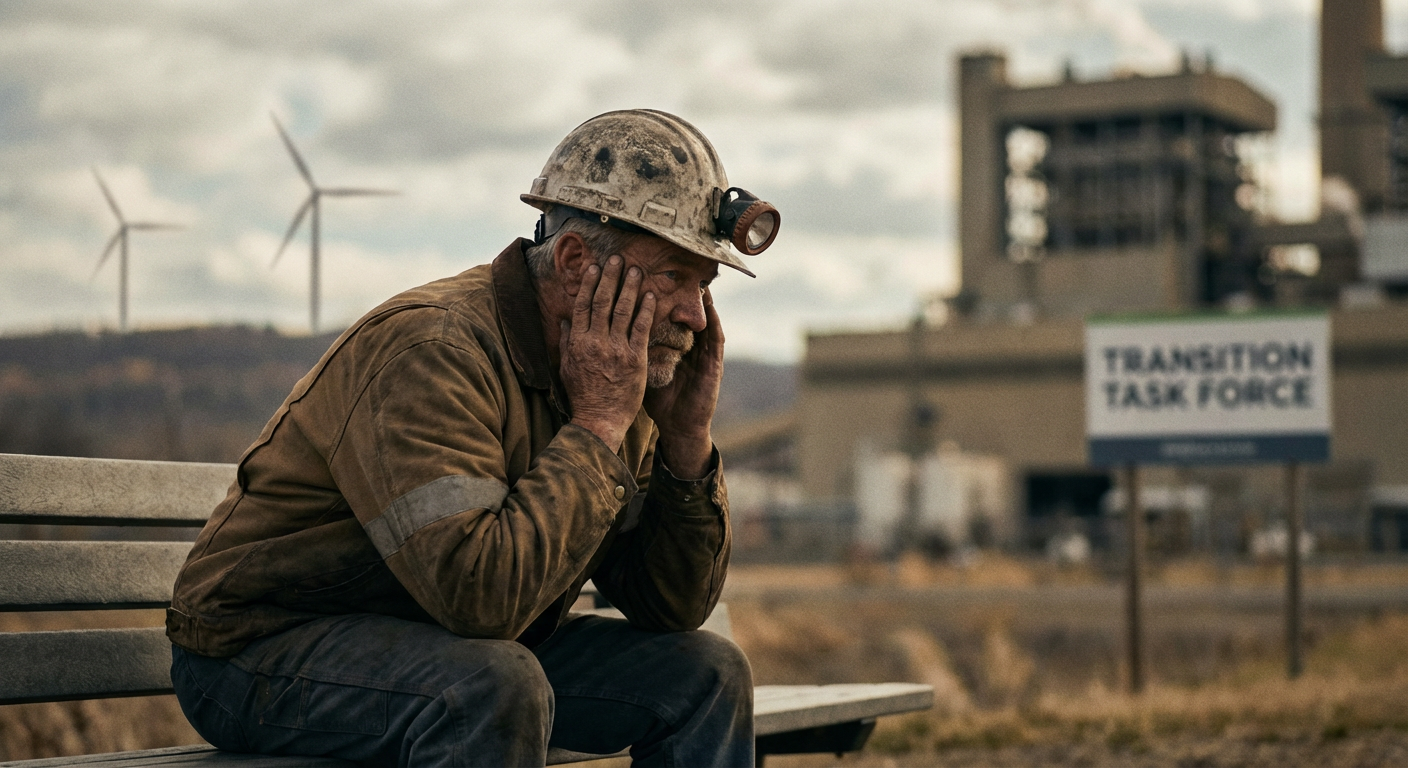
Everyone recognizes now that climate policies hit some communities much harder than others, especially places dependent on fossil fuel industries. Coal mining regions, oil refining centers, and natural gas production areas face serious economic disruption as energy systems shift toward renewable sources. Political support for climate action increasingly depends on addressing these concerns through targeted help and alternative economic development strategies.
Policy responses have included retraining programs, infrastructure investments, and efforts to put new clean energy projects in affected regions. But implementation has been tough because of skills mismatches, geographic constraints, and the fact that many replacement jobs pay less than traditional energy sector work. Labor unions have become key players in negotiating transition terms, sometimes supporting climate policies only if they include strong worker protections.
Whether ambitious climate policies can survive politically may ultimately depend on managing these economic transitions successfully. Early evidence from regions trying just transition strategies shows mixed results. Success often comes down to local leadership quality and whether regions can diversify their economies beyond energy sectors.
International Finance Gaps Persist Despite New Mechanisms
Negotiators at the COP27 climate summit achieved a breakthrough by establishing a dedicated fund to address loss and damage in climate-vulnerable developing nations. This mechanism acknowledges that some climate impacts can’t be prevented through adaptation measures and require direct financial assistance for recovery and reconstruction. The agreement was a major diplomatic victory for small island states and other vulnerable countries that had pushed for such a fund for decades.
But the fund remains severely underfunded compared to what’s actually needed. Initial pledges fall far short of estimates suggesting hundreds of billions in annual requirements for addressing climate damages in developing countries. Wealthy nations have resisted binding contribution formulas, while debates continue over who’s eligible and how money gets distributed. The funding gap reflects broader problems in international climate finance, where delivery has consistently lagged behind political promises.
Meanwhile, scrutiny of corporate net-zero commitments has intensified as environmental groups and regulators examine whether company pledges translate into actual emissions reductions. Many corporate climate targets rely heavily on purchasing offsets rather than cutting direct emissions, leading to accusations of greenwashing that hide limited progress on the core business model changes required for deep decarbonization.
Evidence-Based Assessment Points to Mixed Progress
The current state of global climate policy shows significant momentum alongside persistent gaps between what politicians say they’ll do and what they actually implement. Carbon pricing expansion, industrial policy investments, and international agreement on loss and damage mechanisms represent real progress from previous decades of limited action. However, coverage remains incomplete, funding falls short of identified needs, and implementation challenges persist across multiple policy areas.
Looking at the evidence honestly, the direction of policy change aligns with what science requires, but the pace and scale need major acceleration to meet the 2030 timeline that climate researchers have identified. The evidence shows that technical solutions exist and political awareness has increased, but translating this into policies that actually work remains the central challenge facing climate governance in the years ahead.

Digital Democracy’s Double Edge: How Online Tools Are Reshaping Political Power

The Carbon Market Mirage: How Emissions Trading Enriches Corporations at the Expense of Communities
When Courthouses Empty: Mexico’s Judicial Revolution Hits Main Street
About Author
