The Pentagon Papers and Today’s Transparency Wars: What Ellsberg’s Legacy Tells Us About Institutional Accountability
When Secrets Become Public Goods
The release of the Pentagon Papers in 1971 was one of those rare moments that changed everything about how we think about government secrecy versus democratic accountability. When Daniel Ellsberg leaked the classified study of U.S. involvement in Vietnam, he did more than expose the gap between what officials said publicly and what they knew privately. He forced a question that still haunts our politics: when does the public’s right to know trump the government’s insistence on keeping secrets?
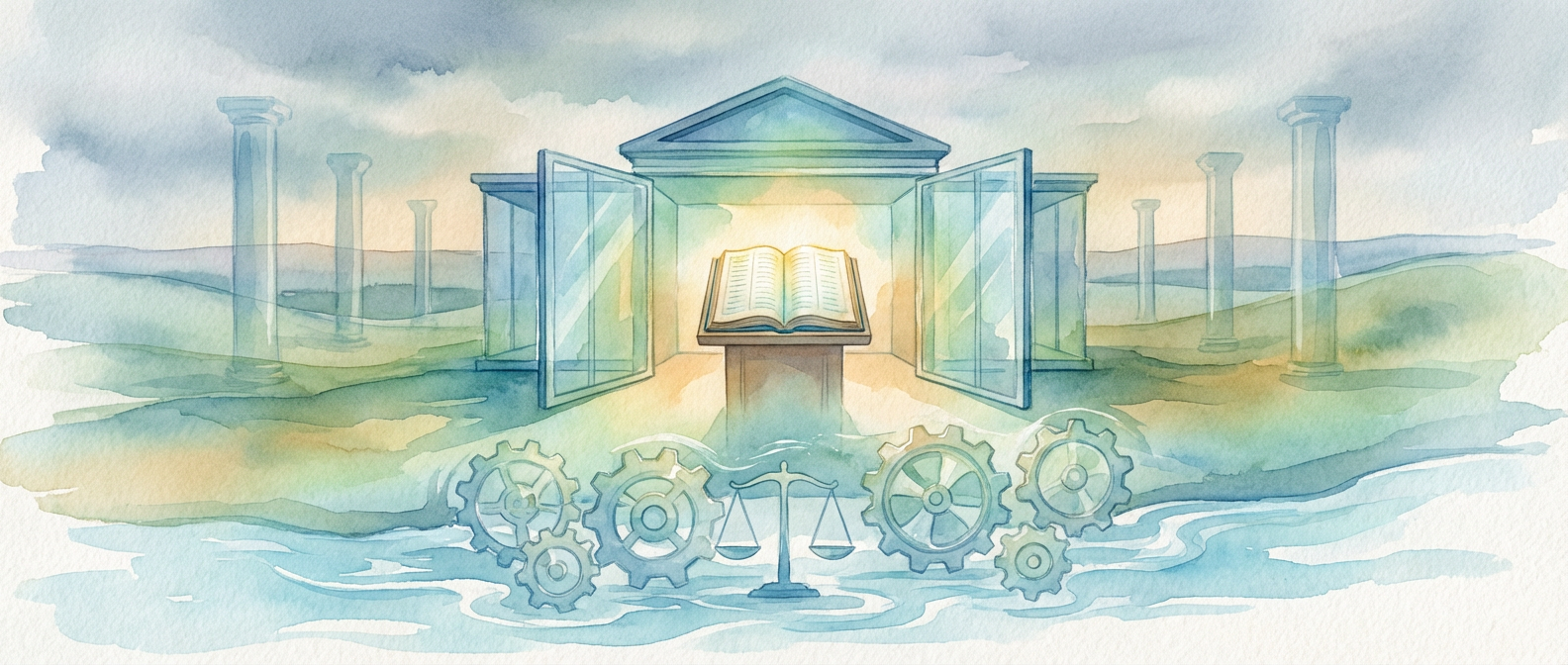
That question feels urgent again. We’re living through an era of massive government surveillance programs, classified drone operations, and sweeping claims of executive privilege. The similarities to Ellsberg’s time are obvious, but they’re also misleading in important ways. Yes, the Pentagon Papers set legal precedents about whistleblowing and press freedom that still matter. But the world has changed in ways that make those precedents harder to apply.
Think about it: the media world of 1971 was dominated by a few major newspapers with deep pockets and experienced legal teams. Today’s information ecosystem is fractured, chaotic, and often broke. The classification system has exploded far beyond its original boundaries. And the technology for both spying on citizens and leaking secrets has completely transformed the game between secret-keepers and secret-spillers.

The Architecture of Accountability Then and Now
When the New York Times started publishing the Pentagon Papers on June 13, 1971, the whole process was remarkably straightforward. Nixon’s people went to court for an injunction. The case wound through the federal system. The Supreme Court ruled for publication. It was messy and contentious, sure, but it followed established rules that everyone basically understood.
Today’s transparency battles happen in a maze of secret courts and classified briefings. The Foreign Intelligence Surveillance Court makes policy in the shadows. Congressional intelligence committees get told things they can’t share with voters. Executive agencies slap classification stamps on information that’s more about political embarrassment than real security threats.
What scholars now call “the classification industrial complex” would be unrecognizable to someone from Ellsberg’s era. Back then, classification mostly meant protecting military ops and diplomatic cables. Now it covers trade talks, environmental studies, you name it. The whole system has flipped from a democratic default of openness to an authoritarian assumption of secrecy.
The checks and balances that might have prevented this expansion have broken down. Congressional oversight has become a partisan joke, with members more interested in protecting their team than pursuing real accountability. The press faces budget cuts and layoffs that make long-term investigative work nearly impossible. Meanwhile, the executive branch has gotten scary good at tracking down potential leakers before they can act.
The Evolution of Whistleblowing and Its Discontents
Ellsberg had it relatively easy, from a technical standpoint. Security in 1971 was basically physical documents and locks. You could photocopy stuff after hours without leaving digital fingerprints. More importantly, by the time he acted, questioning the government’s Vietnam claims had become mainstream, even respectable.
Today’s potential whistleblowers face a completely different reality. Digital surveillance makes unauthorized access easy to detect. The Espionage Act, which Nixon couldn’t make stick against Ellsberg, has been weaponized by every administration since. Courts are more willing to buy government arguments about national security and less interested in hearing about the public’s right to know.
But the biggest change might be political. Ellsberg benefited from growing anti-war sentiment that cut across party lines. Today’s whistleblowers get caught in partisan crossfire, where people only support transparency when it hurts the other team. Look at how reactions to Edward Snowden’s revelations split along predictable political fault lines rather than consistent principles about government accountability.
Technology as Double-Edged Sword
The digital age has been both a blessing and a curse for transparency advocates. Modern classification systems can track who accessed what information and when, making leaks more risky and leakers easier to catch. Intelligence agencies can analyze communication patterns to spot potential security threats before they become actual problems.
But the same tech that enables surveillance also makes it easier to copy and distribute huge amounts of classified material. WikiLeaks showed how digital platforms could handle document dumps on a scale Ellsberg couldn’t have imagined. Encrypted messaging gives sources new ways to contact journalists while protecting their identities, at least for a while.
This tech shift has also changed what gets leaked and how we consume it. The Pentagon Papers went through careful editorial review by journalists who could explain what it all meant. Today’s data dumps often include massive amounts of raw information that’s hard for regular people to make sense of. That creates new problems for both transparency advocates and people worried about protecting legitimate secrets.
Lessons for Contemporary Democracy
The Pentagon Papers established that the government faces an extremely high bar for stopping publication, but that principle operates in a much more restrictive environment now. Government agencies have gotten better at preventing leaks rather than trying to stop publication after the fact. The real fight for transparency happens at the classification stage, where decisions about what to keep secret get made with almost no outside oversight.
This suggests that modern transparency advocates need to think beyond just encouraging more leaking. Systematic reform of how classification works, stronger inspector general offices, and new oversight mechanisms might matter more than protecting any individual whistleblower. The Pentagon Papers remind us that major transparency victories usually require not just brave individuals willing to take personal risks, but also institutional changes that make such risks unnecessary.
What the Pentagon Papers really established was the principle that democracy requires informed citizens. How we adapt that principle to our current tech and political reality will determine whether future historians see this as an era when democracy got stronger through greater transparency or weaker through unchecked government secrecy.
What aspects of this historical comparison do you find most relevant to current transparency debates? The comment section below offers an opportunity to explore how these lessons might apply to specific contemporary cases.
NATO’s 3% Question: Why the Hague Summit Matters More Than the Headline Number Suggests

Digital democracy and online political organising: Historical context
How Carbon Markets Benefit Corporations, Not Communities: A Structural Critique
About Author
